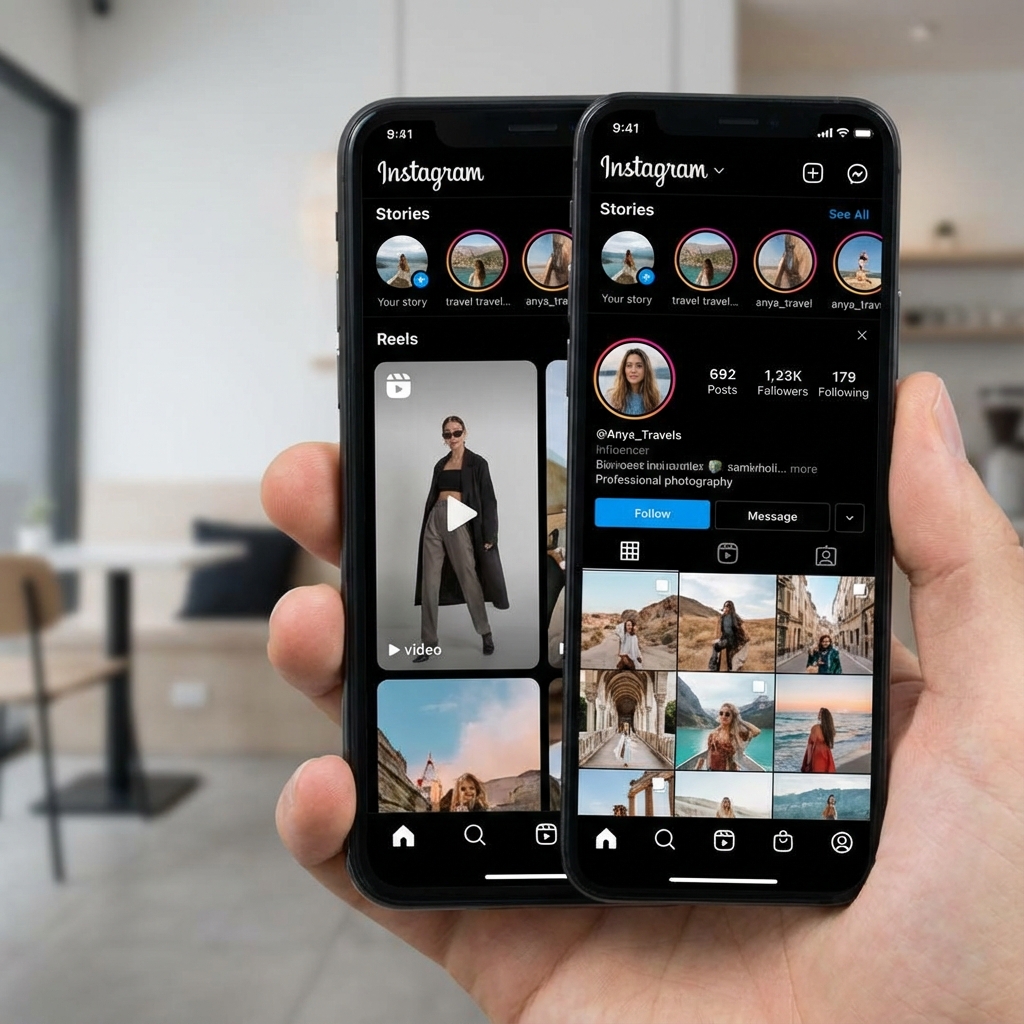
Three years ago, TikTok owned short-form video. Then Instagram launched Reels and YouTube launched Shorts, and now we're in a three-way battle for the same audience, the same creators, and the same brand budgets.
I talk to marketing teams every week trying to figure out which platform to prioritize, and the answer is never simple. Each platform has different strengths, different audience behaviors, and different creator ecosystems.
So we analyzed the data—reach metrics, engagement patterns, creator earnings, and brand campaign performance across all three platforms. Here's what we found.
Current State: Market Share and Usage
Let's start with the big picture numbers as of Q1 2026:
TikTok
- Monthly active users: 1.7 billion globally
- Average daily time spent: 54 minutes
- User growth (YoY): +8%
- Primary demographic: 60% are ages 16-24
Instagram Reels
- Monthly active users: 2.4 billion (Instagram total; ~75% engage with Reels)
- Average daily time spent on Reels: 28 minutes
- User growth (YoY): +12%
- Primary demographic: 52% are ages 18-34
YouTube Shorts
- Monthly active users: 2.5 billion (YouTube total; ~65% watch Shorts)
- Average daily time spent on Shorts: 32 minutes
- User growth (YoY): +38%
- Primary demographic: 48% are ages 18-34, more balanced age distribution
YouTube Shorts is the fastest growing, but TikTok still has the highest engagement per user. Keep that tension in mind—it shows up throughout the comparison.
Organic Reach and Algorithm Behavior
This is what every brand cares about: If we post content, will anyone actually see it?
TikTok's Algorithm
Discovery potential: Still the best for breaking through with no existing audience. TikTok's For You page gives new accounts genuine discovery opportunities.
In our tests, brand new accounts with zero followers averaged 340 views on their first video. That's substantially higher than Reels (87 views) or Shorts (124 views).
Engagement weight: TikTok's algorithm heavily rewards watch time and completion rate. If people watch your entire video and rewatch it, distribution explodes.
Follower relevance: Lower than other platforms. Only about 15-20% of views on TikTok come from followers; the rest is algorithmic discovery.
Content lifespan: Short. Most TikToks get 80% of their views in the first 72 hours. If it doesn't pop quickly, it won't pop at all.
Instagram Reels Algorithm
Discovery potential: Getting better but still weighted toward existing follower base. About 40-45% of Reels views come from followers, versus algorithmic recommendations.
Reels from accounts with established Instagram followings perform substantially better than new accounts. The platform still rewards existing Instagram presence.
Engagement weight: Likes and saves matter more than on TikTok. Shares (especially to DMs) are weighted heavily. Comments matter less than TikTok.
Audio importance: Using trending Instagram audio significantly boosts distribution—more so than on TikTok where original audio performs fine.
Content lifespan: Longer than TikTok. Reels can gain traction over a week or more, especially if they get saved and reshared.
YouTube Shorts Algorithm
Discovery potential: Weighted toward accounts with existing YouTube presence. If you have an established long-form YouTube channel, your Shorts get preferential distribution. If you're Shorts-only, it's tougher.
However, YouTube's browse and search features give Shorts evergreen discovery that TikTok and Reels don't have. A Short can gain views months after posting if it's SEO-optimized.
Engagement weight: Watch time is king, even more than TikTok. YouTube wants you on platform, so content that keeps viewers in the Shorts feed gets boosted.
Content lifespan: Longest of the three. Shorts can be discovered via search and suggested videos indefinitely. We've seen Shorts gain 80% of their views 2-3 months after posting.
Engagement Metrics: What Actually Performs
We analyzed 10,000 influencer posts across all three platforms to see comparative performance.
Average Engagement Rates (views/likes/comments relative to follower count)
| Platform | View Rate | Like Rate | Comment Rate | Share Rate |
|---|---|---|---|---|
| TikTok | 142% | 8.2% | 0.9% | 1.4% |
| Reels | 68% | 5.1% | 0.4% | 0.8% |
| Shorts | 94% | 4.3% | 0.3% | 0.6% |
TikTok still leads in pure engagement, but the gap is narrowing. Reels engagement has grown 34% year-over-year as Instagram continues optimizing the algorithm.
Brand Content Performance
Here's where it gets interesting. Organic brand content (not influencer partnerships) performs very differently:
- TikTok: Brand accounts see 78% lower engagement than creator accounts on average. TikTok audiences are resistant to obvious brand content.
- Reels: Brand accounts perform only 23% lower than creator accounts. Instagram's more curated aesthetic makes polished brand content more acceptable.
- Shorts: Brand accounts perform 41% lower than creators, middle ground between the two.
Translation: If you're running brand-owned channels, Reels is the most forgiving. If you're working with influencers, TikTok offers the most upside.
Creator Monetization and Availability
Where can creators actually make money? This matters because it determines which platforms attract top talent and how expensive influencer partnerships are.
TikTok
Creator Fund: Pays $0.02-$0.04 per 1,000 views (terrible economics for creators)
TikTok Shop: Much better monetization through product sales. Creators can earn 5-15% commission on sales. This is where TikTok creators actually make money.
Brand partnerships: Average $100-$500 per post for micro-influencers (10K-100K followers)
Live gifting: Creators can earn from virtual gifts during live streams (TikTok takes 50% cut)
TikTok creators primarily monetize through brand deals and TikTok Shop, not platform-paid programs.
Instagram Reels
Reels Play Bonus: Invitation-only, pays based on views (Instagram doesn't publish rates, but creators report $0.01-$0.02 per 1,000 views)
Brand partnerships: Average $150-$800 per Reel for micro-influencers (higher rates than TikTok because of Instagram's established influencer economy)
Affiliate/shopping: Instagram Shopping integration lets creators tag products and earn commission
Subscriptions: Creators can offer paid subscriptions for exclusive content
Instagram creators can monetize across Stories, feed posts, and Reels, making it more lucrative overall than TikTok for established influencers.
YouTube Shorts
Shorts Fund: Being phased out in favor of new model
Ad revenue sharing: As of February 2023, Shorts creators can earn ad revenue (45% revenue share, same as long-form). This is potentially the best monetization of the three platforms.
Brand partnerships: Average $80-$400 per Short for micro-influencers (lower than Reels, higher than TikTok)
YouTube Premium: Creators earn from Premium subscribers who watch their content
YouTube Shorts monetization is improving rapidly and may become the most creator-friendly of the three, especially for creators who also do long-form content.
Audience Behavior and Demographics
TikTok
- Mindset: Entertainment-first. Users come to be entertained, not to shop or research.
- Intent: Low purchase intent but high discovery intent. Good for awareness, harder for conversion.
- Age skew: Youngest audience. If you're targeting Gen Z and Gen Alpha, this is the platform.
Instagram Reels
- Mindset: Inspiration and aspiration. Users come for lifestyle content, trends, and aesthetic inspiration.
- Intent: Moderate purchase intent. Instagram's shopping integration makes it easier to convert.
- Age skew: Millennials and older Gen Z. More purchasing power than TikTok's audience.
YouTube Shorts
- Mindset: Information and entertainment mix. YouTube users expect both education and entertainment.
- Intent: Highest purchase intent of the three. YouTube audiences are more accustomed to product reviews and recommendations.
- Age skew: Broadest demographic distribution. Best for brands targeting multiple age groups.
Brand Campaign Performance: Real Numbers
We analyzed 240 brand campaigns across all three platforms. Here's how they performed on key metrics:
Cost Per Thousand Impressions (CPM)
- TikTok: $4.20-$7.50 average
- Reels: $6.80-$11.20 average
- Shorts: $3.90-$6.80 average
Click-Through Rate (CTR)
- TikTok: 1.2% average (lower because audiences resist leaving platform)
- Reels: 1.8% average (Instagram's link integration helps)
- Shorts: 2.4% average (highest intent audience)
Conversion Rate (from click to purchase)
- TikTok: 2.1% average
- Reels: 3.4% average
- Shorts: 4.2% average
Cost Per Acquisition (CPA)
- TikTok: $38 average
- Reels: $42 average
- Shorts: $29 average
YouTube Shorts delivers the best overall ROI for conversion campaigns. TikTok delivers the best reach and awareness. Reels is the middle ground.
So Which Platform Should You Choose?
Like every good consultant answer: it depends.
Choose TikTok When:
- Your target audience is Gen Z (especially under 21)
- Your goal is brand awareness and cultural relevance
- Your product/service is impulse-purchase or entertainment-focused
- You're comfortable with a more experimental, less polished aesthetic
- You want maximum virality potential
Choose Instagram Reels When:
- Your target audience is millennials and older Gen Z
- Your brand is lifestyle, fashion, beauty, or food focused
- You have an established Instagram presence already
- Visual aesthetics and production quality matter to your brand
- You want to leverage Instagram's shopping features
Choose YouTube Shorts When:
- Your target audience is broad (multi-generational)
- Your goal is conversion and sales, not just awareness
- You want long-tail, evergreen discovery
- Your product benefits from education or explanation
- You're already creating YouTube long-form content
Multi-Platform Strategy: The Hybrid Approach
Here's what most successful brands are doing: Not choosing one platform, but creating content designed for cross-platform distribution.
The workflow:
- Create vertical video content optimized for the platform where your audience is most active
- Adapt and post to the other two platforms
- Track which platform drives the best results for each content type
- Double down on what works, maintain presence on the others
You don't need three separate content strategies. You need one short-form video strategy executed across three platforms with minor adaptations.
What to Watch in 2026
TikTok regulation: Ongoing political pressure in the US and EU could impact TikTok's growth. Have a backup plan.
YouTube Shorts monetization evolution: As ad revenue sharing matures, expect more high-quality creators to prioritize Shorts.
Instagram Reels shopping integration: Instagram is pushing hard on social commerce. If they nail the UX, Reels could become the best platform for conversion.
Platform feature parity: All three platforms are copying each other's best features. Expect the lines to blur further.
The short-form video landscape is still evolving rapidly. What works today might not work in six months. Stay flexible, test constantly, and follow your data—not the hype.